

Prompting Guide for Differentiation
Use AI with clarity, purpose, and teacher judgment
AI tools can be much more useful when teachers know how to prompt them clearly. A strong prompt helps the tool generate ideas, supports, and materials that are more aligned to the lesson and the learners.

Clear prompts produce more useful results.
Better prompts can save teachers time.
Strong prompting helps keep the learning goal in focus.
Prompting supports more intentional differentiation.
Teachers still make the final decisions.
Why Prompting Matters
Want to go deeper? The book explains how prompting can support planning for differentiation while keeping empathy, rigor, and teacher judgment at the center.

A Simple Prompting Formula
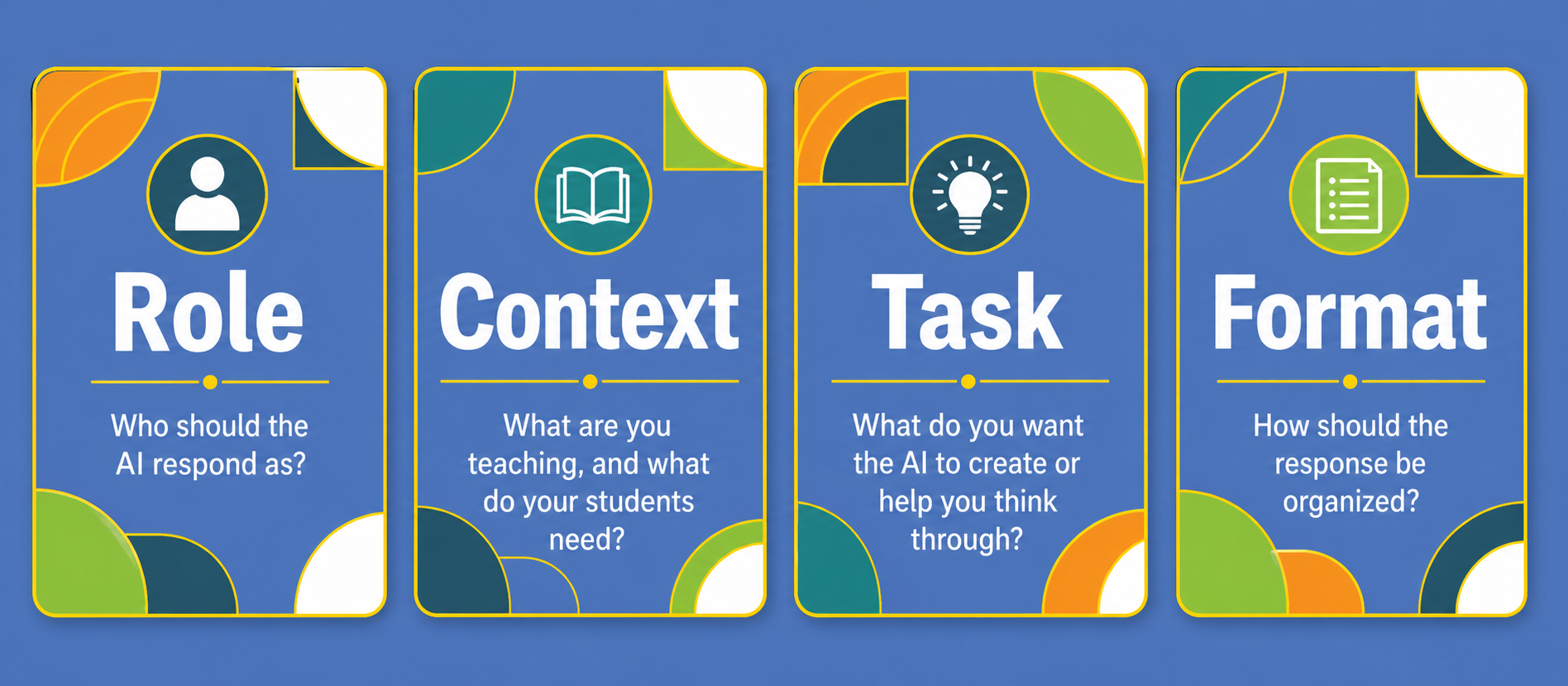
In Differentiation With AI, I introduce a simple prompting formula teachers can use when planning with AI: Role, Context, Task, Format. On this site, the formula is shown as four quick-reference cards so you can remember the key parts without overcomplicating the process.
Sample Prompts to Get Started
Use these sample prompts as quick starting points. In Differentiation With AI, you will find more examples organized by content, process, product, and learning environment, along with classroom scenarios that show how to adapt them for real planning.
Prompt:
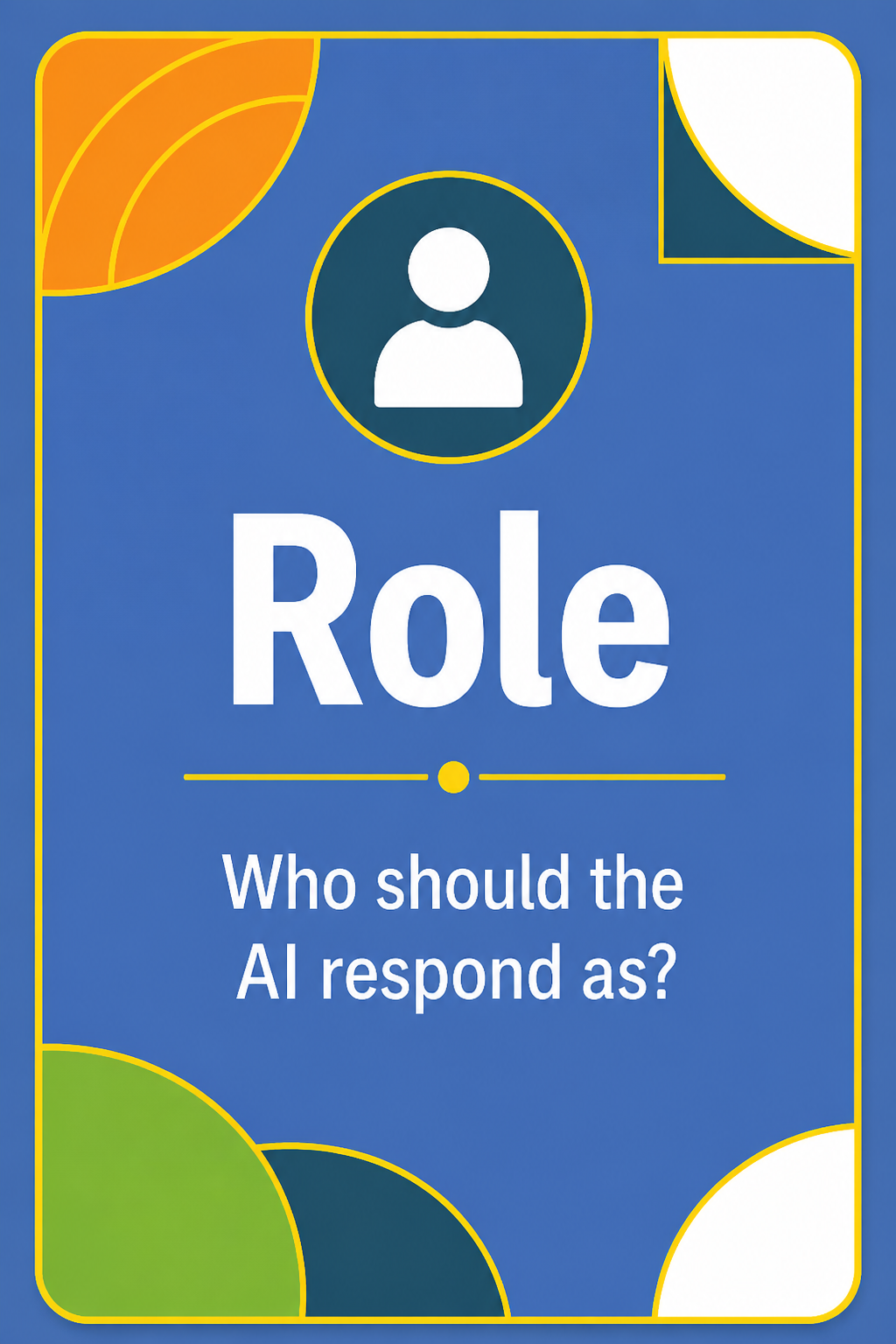
Act as a reading specialist supporting a classroom teacher. Help me think through ways to make this lesson more accessible for students who need additional support.
Why it works:
The role gives AI a clear perspective so the response is more focused.
Prompt:
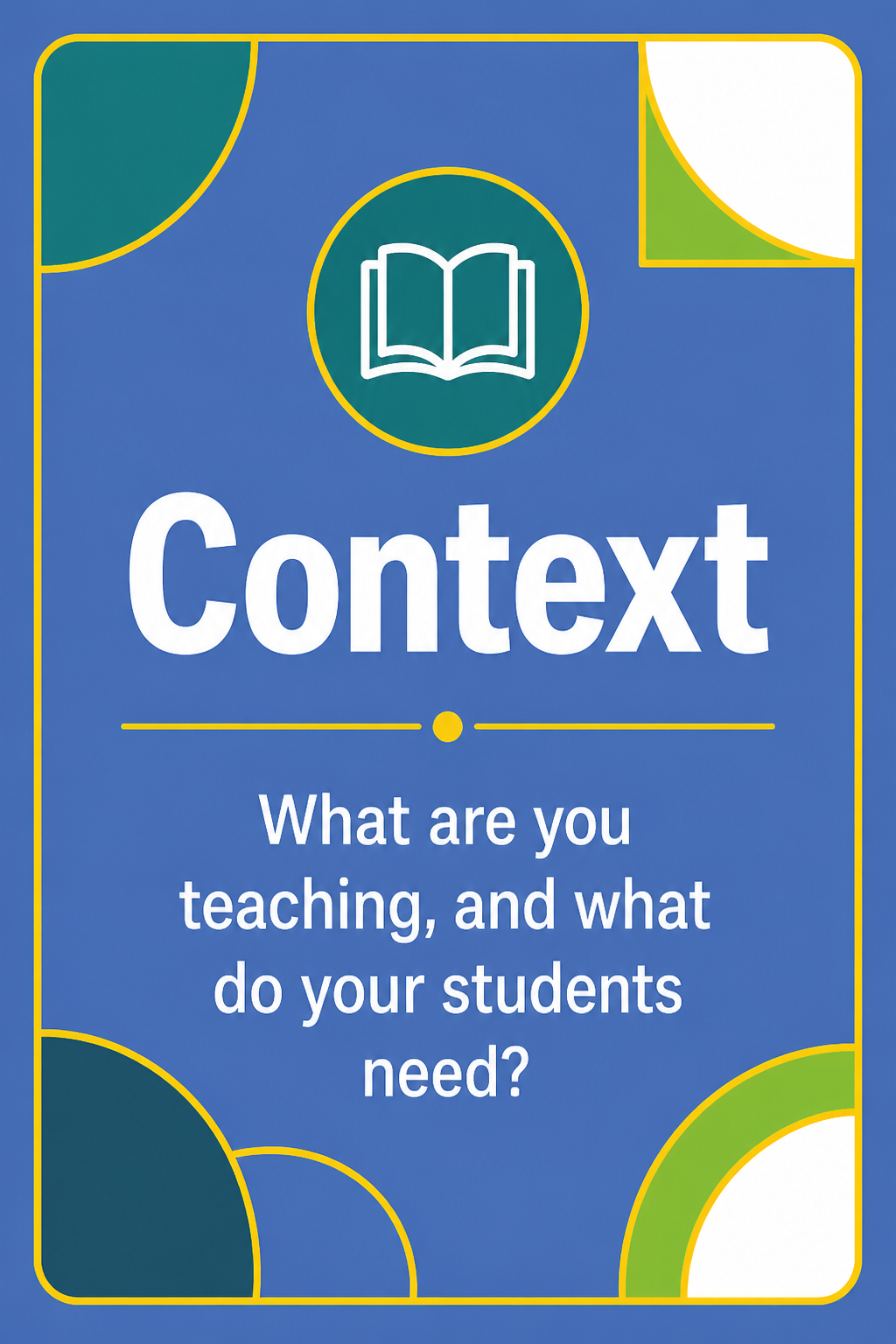
My students are learning [topic or skill]. Some students need more scaffolding, while others are ready for a challenge. Suggest ways to support both groups without changing the learning goal.
Why it works:
The context helps AI respond to the actual classroom need instead of giving a generic answer.
Prompt:
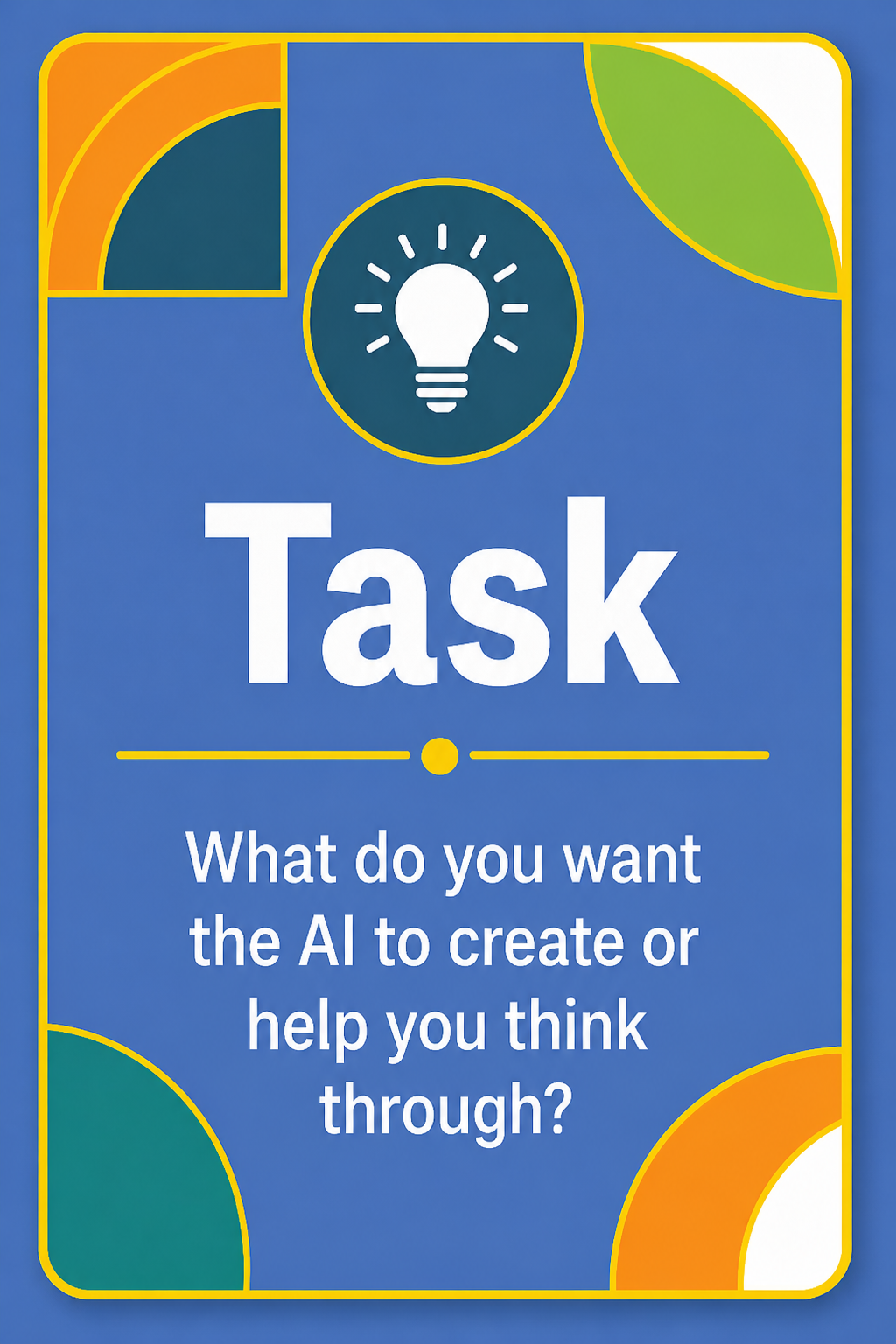
Create three options for helping students practice this concept: one with strong support, one at grade level, and one for extension.
Why it works:
The task tells AI exactly what to produce.
Prompt:
Present the response as a simple table with columns for student need, suggested support, and teacher notes.
Why it works:
The format makes the output easier to review, revise, and use.
Full Prompt Example
Act as a reading specialist. I am teaching a fifth-grade science lesson on ecosystems, and some students need vocabulary support while others are ready for deeper analysis. Create three differentiated activities that keep the same learning goal but offer different levels of support and challenge. Present the response in a table with columns for student need, activity, teacher notes, and suggested next step.
Want More?
These prompts are just a starting point. Differentiation With AI goes deeper with ready-to-adapt prompts, teacher examples, and planning scenarios that show how to use AI across content, process, product, and learning environment.
The book also guides teachers in reviewing AI responses before using them with students, including how to check for accuracy, alignment, rigor, accessibility, bias, and privacy.